Asana acquires StackAI — now every human-agent workflow runs in one place.Learn more
Iterative process: definition, steps, and examples


85% of Fortune 100 companies choose Asana¹




Summary
The iterative process is one of those terms that, like Agile, automatically makes us think of engineering teams. But most teams iterate in one way or another, and using an iterative method can help you reduce risk, manage efficiency, and approach problems in a more flexible and adaptable way.
If you want to give the iterative process a try, this article is for you. We'll walk you through defining the iterative process and implementing it on your own team.
Master AI-Powered Workflow Optimization
Ready to revolutionize your team's productivity with AI you can trust? Join industry leaders from Asana and Anthropic to learn proven strategies for implementing AI across your workflow stages and unlock the full potential of Asana's AI Studio.
What is the iterative process?
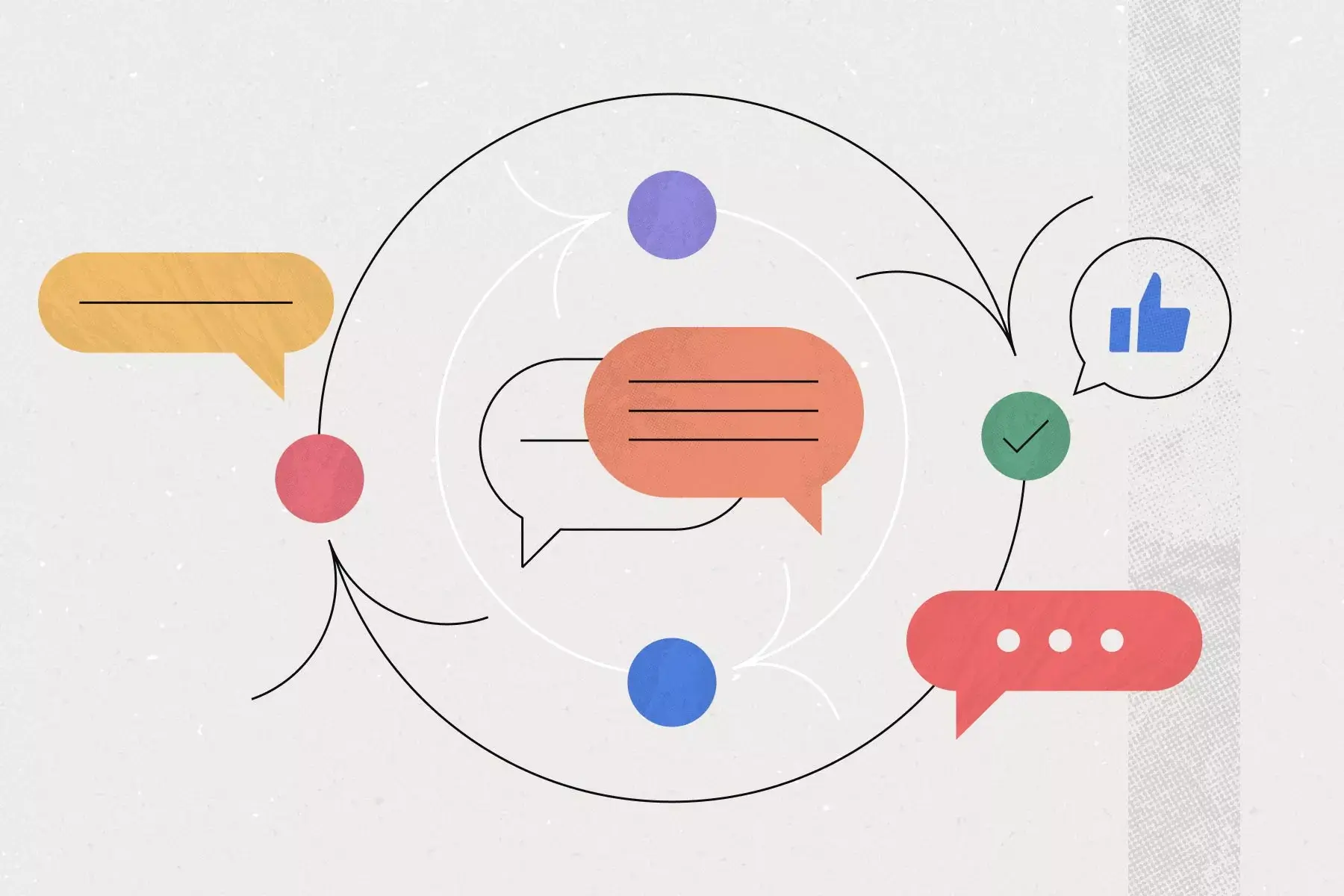
The iterative process is a cyclical approach to building, refining, and improving a project or product through repeated rounds of testing and feedback. Rather than finalizing everything upfront, teams create, test, and revise until they're satisfied with the end result.
Key characteristics of iterative processes include:
Trial-and-error methodology: Each cycle brings your project closer to its end goal.
Continuous improvement: Teams refine their work based on real feedback rather than assumptions, often using process improvement methodologies to guide their approach.
Flexibility: Requirements can evolve as you learn more during development.
Iterative processes are a fundamental part of lean methodologies and Agile project management, but any team can implement them to improve their final project deliverable.
How does an iterative process work?
Think of the iterative process as refining a recipe: you start with a basic version, test it, gather feedback, and tweak it until it's just right. In iterative project management, this means breaking a project into step-by-step cycles that improve with each round.
Here's how the cycle typically works:
Create: The development team builds a simple version that meets initial project requirements.
Test: Testers, stakeholders, or focus groups provide user feedback.
Refine: The team fine-tunes the product by adding features, improving functionality, and fixing issues.
Repeat: This feedback loop continues until the final product meets project goals.
So what is a non-iterative process?
In a non-iterative process, your team works toward a final product without making major changes along the way. More time is spent upfront in conceptualization to ensure everything works as intended during testing.
The most common non-iterative methodology is Waterfall, where project phases are defined before work begins. Each phase must be completed before moving to the next, and project requirements are typically locked to avoid changes.
Aspect | Iterative process | Non-iterative process (Waterfall) |
Planning | Flexible, evolves with feedback | Fixed upfront, locked requirements |
Development | Multiple cycles of build-test-refine | Linear, sequential phases |
Changes | Expected and welcomed | Discouraged after planning |
Testing | Continuous throughout | Occurs at the end |
Best for | Evolving requirements, user-driven products | Well-defined scope, regulatory projects |
Example: if you're working with a design agency on an ebook, you'd first provide all the copy. The agency would then design it, and your team would copyedit the final version. Since each step depends on the previous step, you can't edit the design until it's finished, classic Waterfall methodology.
While non-iterative processes work well for structured projects, they can be challenging when unexpected issues arise. That's why engineering teams, and many others, prefer iterative development.
Manage Agile teams with AsanaIs incremental design the same thing as iterative processes?
While related, iterative, and incremental approaches have distinct focuses:
Iterative: Refines and improves the same deliverable through repeated cycles based on feedback.
Incremental: Gradually expands a basic deliverable by adding new features over time.
Most teams combine both approaches. A strong iterative method ensures continuous refinement, while incremental development keeps the project adaptive to customer feedback and evolving goals.
The 5 steps of the iterative process
The iterative process unfolds across five key steps. Your goals and requirements serve as the starting point, and your team uses testing, prototyping, and refinement to achieve the best possible result.
Step 1. Planning and requirements
During this step in the iterative process, you will define your project plan and align on your overall project objectives. This is the stage where you will outline any hard requirements, things that must happen in order for your project to succeed. Without this step, you risk iterating without hitting your goals.
Step 2. Analysis and design
During this step, you and your team will focus on the business needs and technical requirements of your project. If step one was outlining your goals, step two is brainstorming a design that will help you ultimately hit those goals.
Manage Agile teams with AsanaStep 3. Implementation
During the third step, your team will create the first iteration of your project deliverable. Your analysis and design will guide this iteration, aiming to achieve your ultimate project objective. The level of detail and time you spend on this iteration will depend on the project.
Step 4. Testing
Now that you have an iteration, you will test it in whatever way makes the most sense. For instance, if you're working on improving a web page, you might consider conducting an A/B test to compare it with your current web page. If you're creating a new product or feature, consider doing usability testing with a set of potential customers.
In addition to testing, you should also check in with your project stakeholders. Ask them to weigh in on the iteration and provide any feedback.
Read: What is the Plan-Do-Check-Act (PDCA) cycle?Step 5. Evaluation and review
After testing, your team evaluates the iteration's success and aligns on what needs to change. If adjustments are needed, return to step two to create the next iteration while keeping your initial goals consistent.
The iterative process can take weeks or months, depending on project complexity. Stay focused on your project objectives with each cycle to keep the work on course.
Example iterative processes
Engineering
Many engineering teams use the iterative process for backlog refinement, developing new features, implementing bug fixes, or A/B testing new strategies. Often, an engineering team will create a few iterations they consider equally promising, then test them with users. They'll note pain points and successes, then continue building out the one that performed best.
Product development
You might be surprised to realize that most product development is very iterative. Think of any personal technology you've ever purchased for yourself; there was likely a previous version before the one you bought, and maybe a version afterwards, as well. Think of the development of mobile phones throughout the years, how speakers have gotten smaller and more portable over time, or even the way refrigerators from the same brands have changed to adapt to new family needs.
Marketing
Some marketing teams embrace iterative processes; others do not so much. But to a certain extent, a lot of marketing is iterative. For example, some marketing teams might test different advertising copy to see which one drives higher engagement, or send two versions of an email newsletter to compare click-through rates.
Sales
Though most of a sales team's customer-facing work isn't iterative, some of their tasks can benefit from iterative processes. For example, a sales team might take an iterative approach to sending cold emails. They might have their reps send a few different email subject lines and analyze the results, then implement the most successful ones going forward.
When to use an iterative process
Iterative processes work best for projects where requirements or customer needs are likely to change, and the project scope needs to remain flexible. They're ideal when you're exploring new ideas, building products that require user feedback, or working in fast-moving industries where adaptability is key.
Consider using an iterative approach when:
Requirements are unclear or evolving. If your project goals may shift as you learn more, iteration lets you adapt without starting over.
User feedback is essential. For products or features that depend on how real users interact with them, iteration helps you refine based on actual behavior.
Speed to market matters. When you need to launch quickly and improve over time, an iterative model helps you deliver value faster.
Risk needs to be managed incrementally through effective risk mitigation. By testing in small cycles, you catch issues early before they become costly problems.
On the other hand, non-iterative processes like Waterfall may be a better fit when project requirements are well-defined upfront, regulatory compliance demands strict documentation, or the cost of making changes mid-project is prohibitively high.
Iterative process: benefits and challenges
The iterative model isn't right for every team, or every project. Here are the main pros and cons of the iterative process for your team.
Pros:
Increased efficiency. Because the iterative process embraces trial and error, it can often help you achieve your desired result faster than a non-iterative process.
Increased collaboration. Instead of working from predetermined plans and specs, your team is actively working together.
Increased adaptability. As you learn new things during the implementation and testing phases, you can tweak your iteration to best hit your goals.
More cost-effective. If you need to change the scope of the project, you'll have invested only the minimum time and effort.
Ability to work in parallel. Unlike non-iterative methodologies like Waterfall, iterations aren't necessarily dependent on the work that comes before them.
Reduced project-level risk. Risks are identified and addressed during each iteration, rather than at the beginning and end of the project.
More reliable user feedback. An interactive iteration lets users give you incremental feedback on what works and what doesn't.
Cons:
Increased risk of scope creep. Your project could develop in ways you didn't expect, exceeding your original project scope.
Inflexible planning and requirements. Changing requirements during the iterative process can break the flow of your work.
Vague timelines. Because team members create, test, and revise until they reach a satisfying solution, the iterative timeline isn't clearly defined.
Bring iteration to your team
Ultimately, every team can learn something from the iterative process. When possible, approach work with a trial-and-error mentality. When in doubt, lean into flexibility and collaboration. And whether or not you implement the iterative method, always strive for continuous improvement in your work.
Ready to bring iterative thinking to your team? Get started with Asana to plan, track, and refine your projects in one place.
For more tips, read our article on 25 essential project management skills.
Manage Agile teams with Asana